
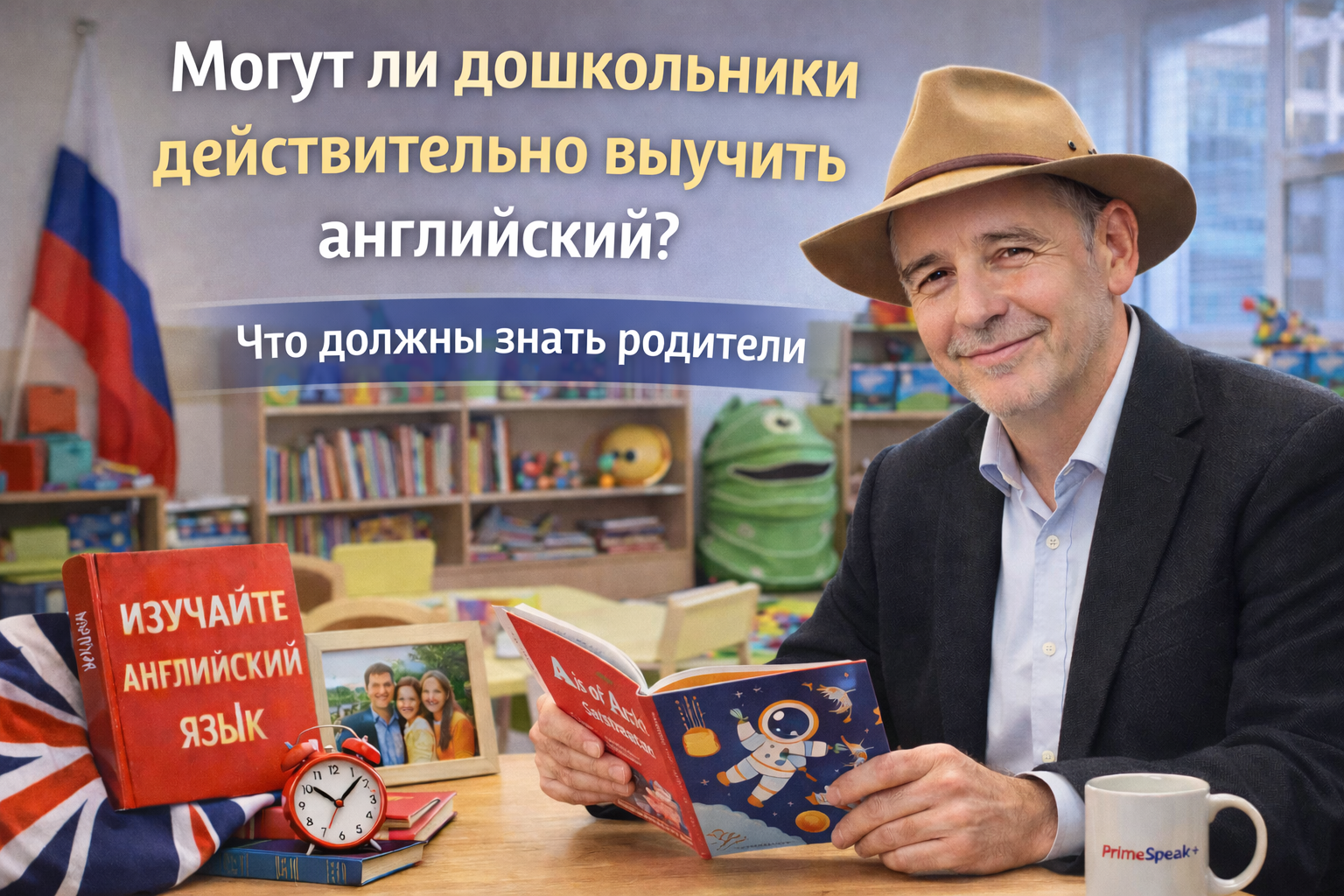
What Parents Should Know
Many parents ask an important question before enrolling young children into English classes:
“Can preschool children actually learn English properly at such a young age?”
The answer is yes — and in many cases, young children learn languages far more naturally than older students and adults.
Research into early childhood education consistently shows that preschool years are one of the best times to introduce children to a second language.
At this age, children absorb language through:
- listening,
- repetition,
- movement,
- play,
- songs,
- and interaction.
For this reason, modern English programs for preschoolers are increasingly focusing on communication and immersion rather than traditional academic study.
Why Preschool Years Are So Important for Language Learning
Young children learn differently from adults.
They are not focused on memorising grammar rules or translating word-for-word. Instead, preschool children naturally absorb language from the environment around them.
This is similar to how children learn their first language.
When English is introduced through:
- games,
- stories,
- songs,
- visuals,
- and communication,
children often begin understanding and responding naturally without even realising they are “studying.”
This creates a much more relaxed and confident approach to language learning.
Can Young Children Really Understand English?
Yes — especially when English is taught correctly.
Preschool children do not need to understand every word immediately. Instead, they gradually connect meaning through:
- actions,
- repetition,
- facial expressions,
- visual aides,
- and interaction.
Over time, children begin recognising vocabulary and phrases naturally through repeated exposure.
This is why communicative and immersive teaching methods are so effective for young learners.
The Problem With Traditional Preschool English Learning
Some preschool English programs focus too heavily on:
- memorisation,
- worksheets,
- translation,
- and passive repetition.
Young children often lose interest quickly when lessons feel too academic.
Preschool learners need movement, creativity, imagination, and interaction.
The most successful programs focus on:
- communication,
- confidence,
- engagement,
- and positive emotional experiences.
Children learn best when lessons feel enjoyable and natural.
Learning Through Play and Communication
Modern preschool English education increasingly uses what educators call the “Communicative Approach.”
This means children learn English through active participation rather than passive instruction.
Activities often include:
- role-playing games,
- storytelling,
- movement activities,
- songs,
- action-based learning,
- visual prompts,
- and simple conversation routines.
These methods help children connect English to real communication instead of simply memorising vocabulary lists.
Why Confidence Matters at a Young Age
One of the biggest advantages of introducing English early is confidence.
Young children are usually far less afraid of making mistakes than older students.
When children regularly hear and use English in positive environments, they often develop:
- stronger pronunciation,
- better listening ability,
- greater speaking confidence,
- and more natural communication habits.
This early confidence can have long-term benefits as children continue studying English through school and later life.
Building an English Program for Preschool Children
As the creator of a preschool English program that has been introduced, tested, and refined in kindergartens across Vladivostok, I designed our curriculum specifically around the way young children naturally acquire language, helping to maximise their learning potential.
The program combines:
- communication-based learning,
- movement,
- storytelling,
- songs,
- games,
- and immersive classroom interaction.
The focus is not simply on memorisation, but on helping children feel comfortable hearing and using English naturally.
The program has been implemented both in kindergartens across Vladivostok and within the Prime Speak Plus school environment.
Sharing the Program With Teachers Across Russia
The preschool program developed at Prime Speak Plus has also been presented during educational seminars involving teachers from across Russia, including presentations connected with Far Eastern Federal University.
These seminars focused on:
- communicative teaching methods,
- immersion learning,
- preschool engagement strategies,
- and practical approaches to early childhood English education.
The goal has always been to create a learning environment where children experience English naturally rather than simply study it academically.
Why Preschool English Is Becoming More Popular in Vladivostok
More parents in Vladivostok now understand that early English exposure can provide major long-term advantages.
English is increasingly connected to:
- education,
- travel,
- technology,
- international communication,
- and future career opportunities.
Because of this, many families are now looking for modern English classes for preschoolers in Vladivostok that focus on:
- communication,
- confidence,
- and enjoyable learning experiences.
What Parents Should Look For in a Preschool English Program
When choosing an English program for young children, parents should look for classes that:
- encourage communication,
- use movement and interaction,
- create positive emotional experiences,
- include storytelling and games,
- and help children feel relaxed and confident.
At preschool age, developing curiosity and confidence is often more important than perfect grammar.
Children who enjoy learning English are far more likely to continue progressing successfully in later years.
Final Thoughts
Preschool children are highly capable of learning English when it is introduced in a natural and engaging way.
Young learners develop language best through:
- communication,
- play,
- repetition,
- movement,
- and positive interaction.
Modern immersion and communicative teaching methods help children build confidence while making English feel enjoyable rather than stressful.
For many families, introducing English during preschool years can become the foundation for long-term language success and confidence in the future.
Preschool English Programs in Vladivostok
Prime Speak Plus offers preschool English programs designed specifically for young learners aged 3–7.
Our classes focus on:
- communication,
- creativity,
- confidence,
- and immersive learning experiences designed for children.
The program is built around years of practical teaching experience in Vladivostok kindergartens and early childhood education environments.
 English
  Russian
Comments
3 responses to “Can Preschool Children Really Learn”
Спасибо за такое понятное объяснение. Мы как раз думали об английском для нашего 4-летнего ребёнка, и статья нас очень успокоила
Очень профессионально и информативно. Акцент на общении и игре намного логичнее для маленьких детей.
Эта статья отлично объясняет, почему одним детям нравится английский, а другие быстро теряют интерес. Методика обучения решает всё